About Digital Gramophone
The knowledge came before the technology.
Digital Gramophone began with a physical archive and a deep interest in the music that recorded history has left behind.
For decades, the people behind Digital Gramophone have worked with historic recordings, performers and musical traditions from across more than a century of recorded sound. That experience reaches far beyond familiar standards and famous names, into repertoire that is often difficult to discover through modern music databases and conventional search.
Historical music requires that kind of knowledge.
Finding a recording by mood, genre or similarity is only part of the job. A production may also need to know whether the composition existed at the time, whether the arrangement or performance style belongs to the period, whether a recording represents an original historical master or a later version, and whether the music genuinely makes sense for the place, culture and setting on screen.
Neo was built around human expertise, not apart from it.
Neo works alongside music historians and archive specialists with decades of experience in historic recorded music, combining that knowledge with the structured Digital Gramophone catalogue and evidence-aware reasoning. The aim is not to find recordings that sound appropriate. It is to find recordings that belong.
Neo also understands that historical archives are imperfect. Dates can be missing. Recordings can be repackaged. Genre labels can be misleading. Provenance may be incomplete. Rather than hiding those gaps, Neo distinguishes between what the catalogue actually records, what has been independently established, what can reasonably be inferred and what still needs checking.
Sometimes the right answer is a recommendation.
Sometimes it is a question.
Sometimes it is simply: we do not know yet.
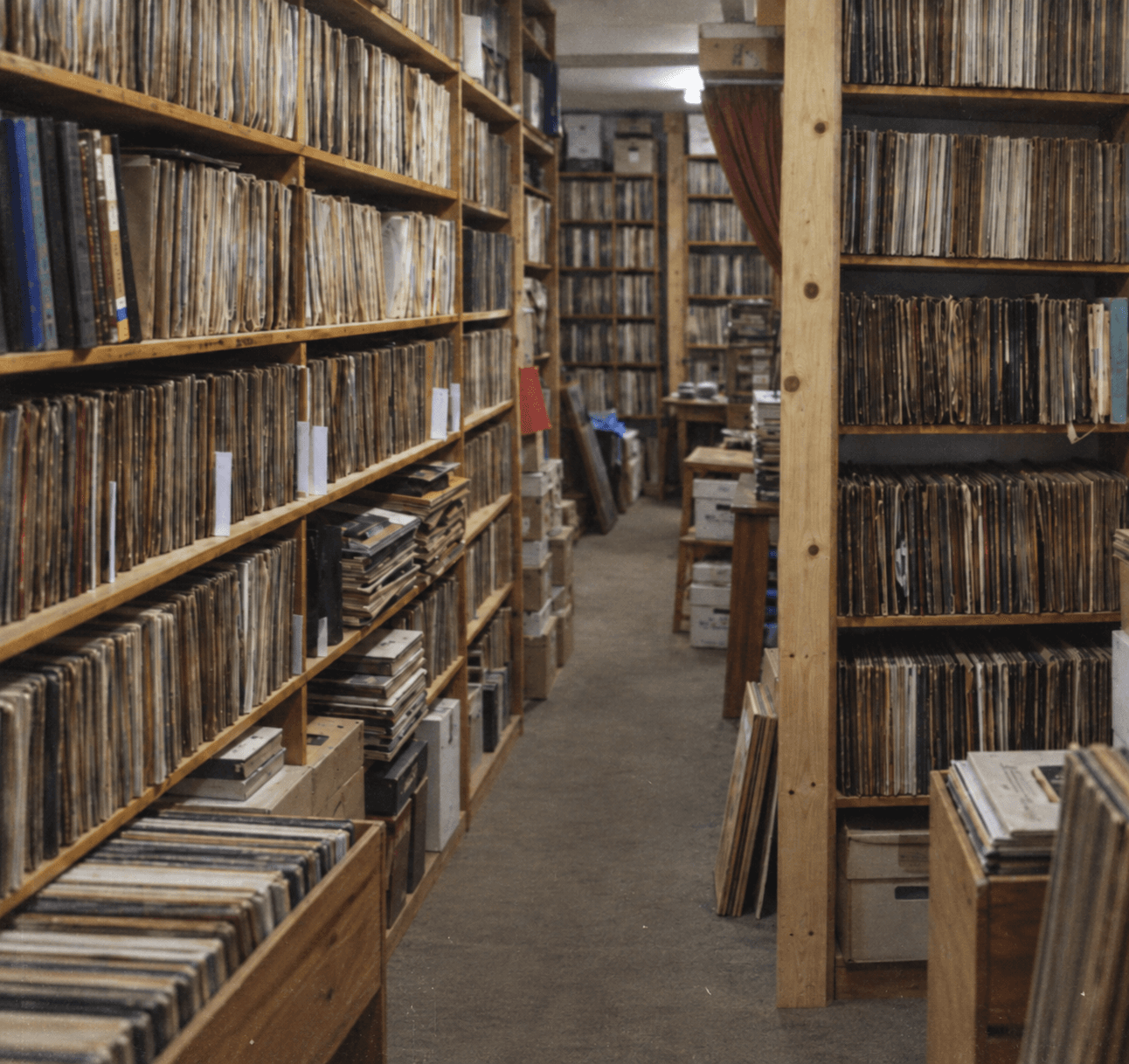
Preserving the recordings themselves
Digital Gramophone has spent years locating, preserving, restoring and releasing historic recordings.
Our restoration work combines modern audio technology with the experience of two specialist sound engineers. The aim is not to strip away the character of an original recording or make history sound artificially modern. It is to preserve that character while producing a master that can be used by contemporary listeners and productions.
The searchable catalogue represents part of a wider physical collection. When Neo cannot find a suitable recording digitally, the search does not have to end there. An enquiry can be passed to the people behind the archive for further investigation.
Today, Digital Gramophone brings those different parts together: the physical archive, decades of musical knowledge, professional restoration, intelligent discovery and licensing for modern productions.
The catalogue provides the evidence.
Neo provides the judgement.